Creating a Wildflower Meadow: A Practical Guide
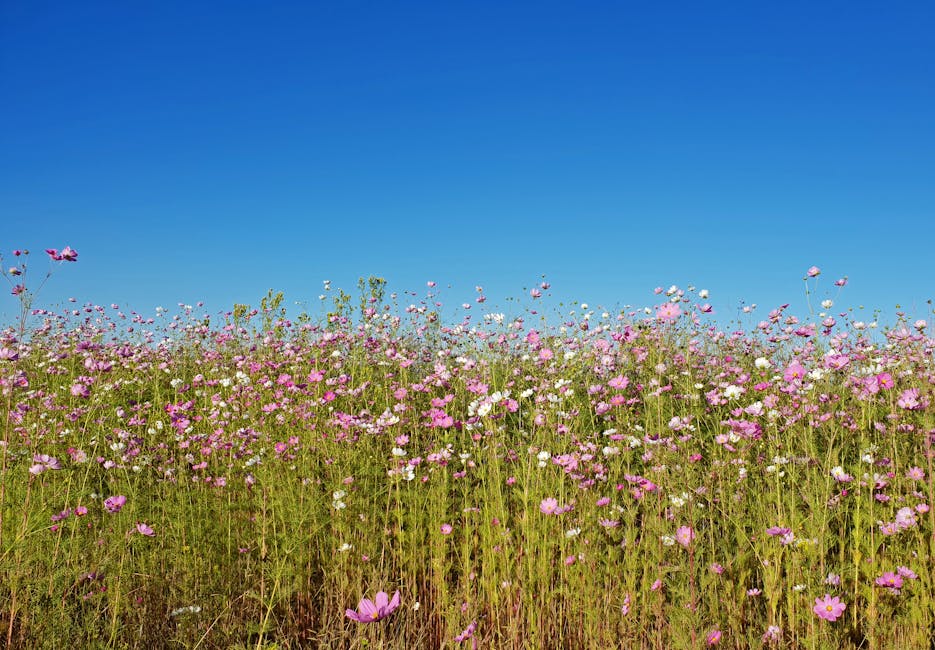
A wildflower meadow is one of the most rewarding garden projects you can undertake. It provides stunning visual interest, supports pollinators and wildlife, and requires less maintenance than a traditional lawn. Whether you're working with a small corner or a larger garden space, creating a meadow is achievable with proper planning.
Site Assessment and Preparation
Wildflowers generally prefer poor, well-drained soil. If your site has rich, heavily fertilised lawn, you'll need to reduce soil fertility first. This might involve removing the top layer of turf and soil, or repeatedly scarifying and removing the clippings over a season. Wildflower seeds struggle to compete with vigorous grasses in nutrient-rich conditions, so this preparation step is crucial.
Choosing Your Wildflower Mix
Select seed mixes appropriate to your soil type and light conditions. Specialist suppliers offer region-specific mixes designed for UK growing conditions. Common choices include cornfield annuals like poppies and cornflowers for summer colour, or perennial meadow mixes featuring bird's-foot trefoil, ox-eye daisies, and knapweed. Some people prefer single-species patches for bold colour impact.
Sowing and Establishment
Autumn (September to November) is generally the best sowing time, though spring sowing can work. Scarify the prepared area thoroughly to create soil contact, then scatter seed evenly. Some seeds need cold stratification over winter to germinate. Keep the area moist during establishment—usually the first growing season. Suppress competing grasses by cutting before wildflowers set seed.
First-Year Management
Your meadow will look patchy in year one as wildflowers establish. This is normal. Cut once in late summer after flowers have set seed, leaving cuttings in place for a few days to allow seeds to fall. Remove the cuttings to reduce soil fertility. Avoid cutting in spring to protect emerging plants.
Long-Term Maintenance
Established meadows need just one or two cuts annually. The traditional approach is cutting in late summer after flowering, and optionally again in spring. This schedule allows flowers to complete their lifecycle while preventing vigorous grasses from dominating. Gradually, soil fertility decreases and a richer wildflower community develops.
Dealing with Common Challenges
Daisies and dandelions can overwhelm other species in year two. Selective removal of aggressive plants helps. If clover dominates, your soil may still be too fertile. Persistent grasses can be suppressed by cutting more frequently in the growing season. Patience is essential—the best meadows develop character over three to five years.